Driving on the black ice is truly slippery and dangerous; it is almost impossible without caution. This barely visible hazard can lead to dangerous driving conditions, particularly during colder months. We need to know how to tackle these conditions to avoid accidents and be safe from them. This post discusses strategies to overcome this hurdle and gives tips for drivers to do so.
Recognising Black Ice
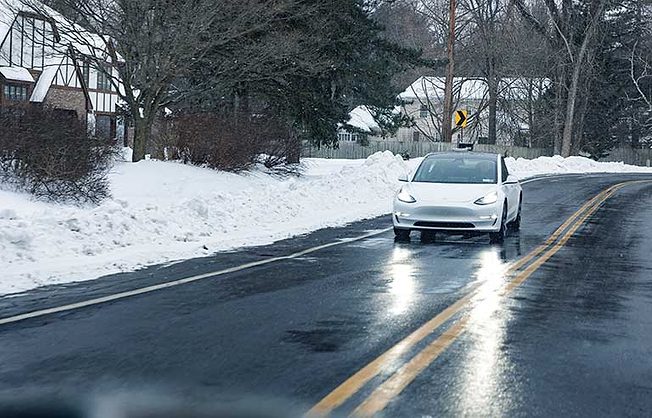
Driving on black ice is one scenario where situational awareness helps. Black ice usually develops where light can not reach, in shadows, under bridges, and overpasses. Black ice is not like any average ice — it is essentially transparent, the same colour as the asphalt, and practically impossible to see. Knowing how to drive on black ice can make all the difference. Crews advise drivers to remain alert in these areas, specifically in the early morning or later when temperatures are lower.
Reducing Speed
Keep control of your vehicle by maintaining a slow and constant speed. Slowing down gives the driver more time to react to help steer the car away from danger. Slowing down, on the other hand, helps keep traction and keeps you from skidding. Focus on the speed limits and try to stay under the advised limit. There are usually reduced speed limits on roads with black ice.
Avoiding Sudden Movements
Sudden actions like hard braking, quick acceleration, sharp steering, or rapid reversing can cause a vehicle to lose traction on black ice. To stay in control, make only gentle inputs, minor steering corrections and gradual speed changes are essential. If the car begins to slide, avoid overreacting. Steer gently in the direction you want to go and ease off the accelerator. Do not brake suddenly. Allow the vehicle to slow down naturally and come to a complete stop if necessary.
Maintaining a Safe Distance
When driving on icy roads, it’s crucial to maintain a safe distance from the vehicle in front. Icy conditions can significantly reduce tire grip, making it harder to stop quickly. Allowing extra space gives you more time to react if the vehicle ahead brakes suddenly or begins to skid due to black ice. On surfaces where ice may form such as bridges, shaded areas, or early mornings, keeping this added distance is one of the most effective ways to stay safe.
Using Proper Tires
Sometimes, the right tires for the vehicle can go a long way toward ensuring safety. Winter or ice tires will give you a better grip than regular tires. They are designed with unique tread patterns and rubber compounds that do not harden in the colder temperatures. Maintaining tire condition and pressure will also help with slippage.
Understanding Vehicle Features
Many new cars have systems that are supposed to help when the car is on slippery surfaces. Anti-lock braking systems (ABS) help to avoid wheel locking during braking, which means drivers can keep steering control. Traction control systems are designed to prevent wheel spin on acceleration. Knowing these technologies and how they work could help you in icy conditions.
Preparing for the Unexpected
It’s always wise to be prepared for sudden weather changes or hazardous road conditions. Keeping an emergency kit in your car can make a big difference when things take an unexpected turn. Useful items include a flashlight, a blanket, an ice scraper, and some shelf-stable snacks.
Staying Informed
Forecasts about the weather and updates about the condition of the road assist drivers. These reports are useful for planning routes and avoiding hazardous areas and can be checked before heading out. Real-time updates are often available through local news and online news channels, helping make travel decisions easier.
Conclusion
Black ice driving is all about awareness, preparedness, and technique. Being aware of black ice and driving accordingly will make risks less likely to happen and safer. However, navigating through icy roads can be an art form you can master, albeit with proper planning using knowledge of what you have for a vehicle. Using these strategies can mitigate the risk, which will help ensure that journeys are carried out safely and without a problem.